
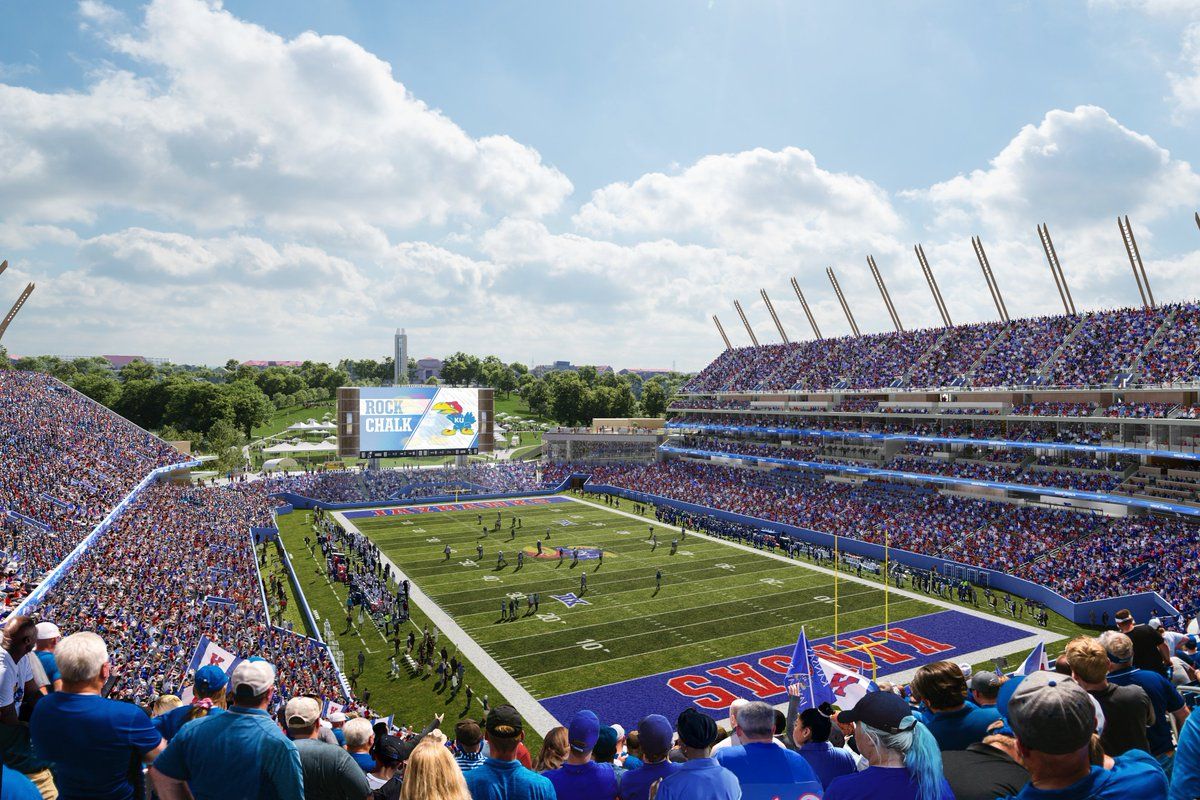
Lawrence has given the green light to a significant Stadium Revitalization Project. The Lawrence City Commission has approved a tax incentive package totaling up to $94.6 million for the University of Kansas (KU) to develop its Gateway District. This decision, covered by multiple media outlets including The Lawrence Times, Kansas Public Radio (KPR), Lawrence Journal-World, CBSSports.com, The Economic Times, and Azat TV, marks a pivotal moment for the university and the city.
Table of Contents
Gateway District Development
The approved incentive package primarily consists of STAR bonds, tax increment financing, and the creation of a community improvement district. These financial tools are designed to support the second phase of the Gateway Project, a comprehensive initiative aimed at enhancing the university’s facilities and the surrounding area. The first phase of the Gateway Project, with an approximate cost of $448 million, is nearing completion this month and included a partial renovation of the KU football stadium and the construction of a conference center.
Phase 2: Expanding the Vision
The second phase of the Gateway Project represents a substantial investment, estimated at $360.7 million. This phase focuses on completing the south and east sides of the football stadium and developing a large mixed-use district around it. This district will feature an outdoor plaza, a hotel, student housing, parking facilities, and retail stores, creating a vibrant and dynamic environment for students, faculty, and visitors. According to project plans, the total cost for both phases of the project is estimated to be around $808.7 million.
Financial Implications and Contributions
The tax incentives approved by the Lawrence City Commission are crucial for the realization of the Gateway Project’s ambitious goals. Jeff DeWitt, KU’s Chief Financial Officer, has stated that while KU could cover the stadium completion costs, the tax incentives are essential for the other elements of Phase 2. This highlights the importance of public-private partnerships in driving large-scale development projects.
KU’s Commitment to Community
Beyond the stadium and mixed-use district, KU has demonstrated a commitment to broader community needs. As part of the project, KU has committed $14.5 million in bond proceeds for the Jayhawk Watershed project, an initiative focused on environmental sustainability and water resource management. Additionally, KU has pledged a $4 million contribution towards affordable housing, addressing a critical need in the Lawrence community. These investments underscore KU’s role as a responsible and engaged community partner.
Philanthropic Support
The Gateway Project has also benefited from significant philanthropic support. A notable contribution comes from KU alumnus David G. Booth, who has pledged a substantial $300 million donation. Of this amount, $75 million is specifically allocated to jump-start the second phase of the Gateway project, providing crucial seed funding for the ambitious development plans. This philanthropic support demonstrates the strong commitment of KU alumni to the university’s future.
Navigating the Financial Landscape
The approval of the $94.6 million tax incentive package by the Lawrence City Commission represents a significant step forward for the University of Kansas and the city of Lawrence. However, the project’s financial structure involves a complex interplay of various funding sources, including STAR bonds, tax increment financing, and community improvement districts. Understanding these financial mechanisms is crucial for assessing the project’s long-term viability and impact.
Understanding STAR Bonds
STAR bonds, or Sales Tax and Revenue bonds, are a type of financing tool used to fund major commercial, entertainment, and tourism projects. These bonds are repaid using the incremental sales tax and revenue generated by the project itself. In the case of the Gateway Project, the STAR bonds will be repaid using the increased sales tax revenue generated by the new retail stores, hotel, and other commercial activities within the Gateway District.
Tax Increment Financing (TIF)
Tax increment financing (TIF) is another financing tool that allows municipalities to use future property tax revenues generated by a development project to pay for upfront infrastructure costs. Under a TIF agreement, the assessed value of the property within the TIF district is frozen at its pre-development level. As the property value increases due to the new development, the incremental property tax revenue is used to repay the TIF bonds.
Community Improvement District (CID)
A Community Improvement District (CID) is a designated area where property owners agree to assess themselves an additional tax to fund specific improvements or services within the district. These improvements can include things like streetscaping, security, and marketing. In the case of the Gateway Project, the CID will likely be used to fund ongoing maintenance and improvements within the mixed-use district.
The Future of the Gateway District
The Stadium Revitalization Project and the development of the Gateway District promise to transform the University of Kansas and the surrounding area. The upgraded football stadium will enhance the game-day experience for fans and provide a state-of-the-art facility for the KU football team. The mixed-use district will create a vibrant and dynamic environment for students, faculty, and visitors, with new retail stores, restaurants, and entertainment options. The project is also expected to generate significant economic benefits for the city of Lawrence, including increased tax revenue and job creation.
The Lawrence City Commission’s approval of the $94.6 million tax incentive package marks a significant milestone for the Gateway Project. With a combination of public and private funding, the project is poised to become a catalyst for growth and development at the University of Kansas and in the broader Lawrence community. The commitment to environmental sustainability through the Jayhawk Watershed project and affordable housing further demonstrates the project’s potential to create a positive impact on the region.
