
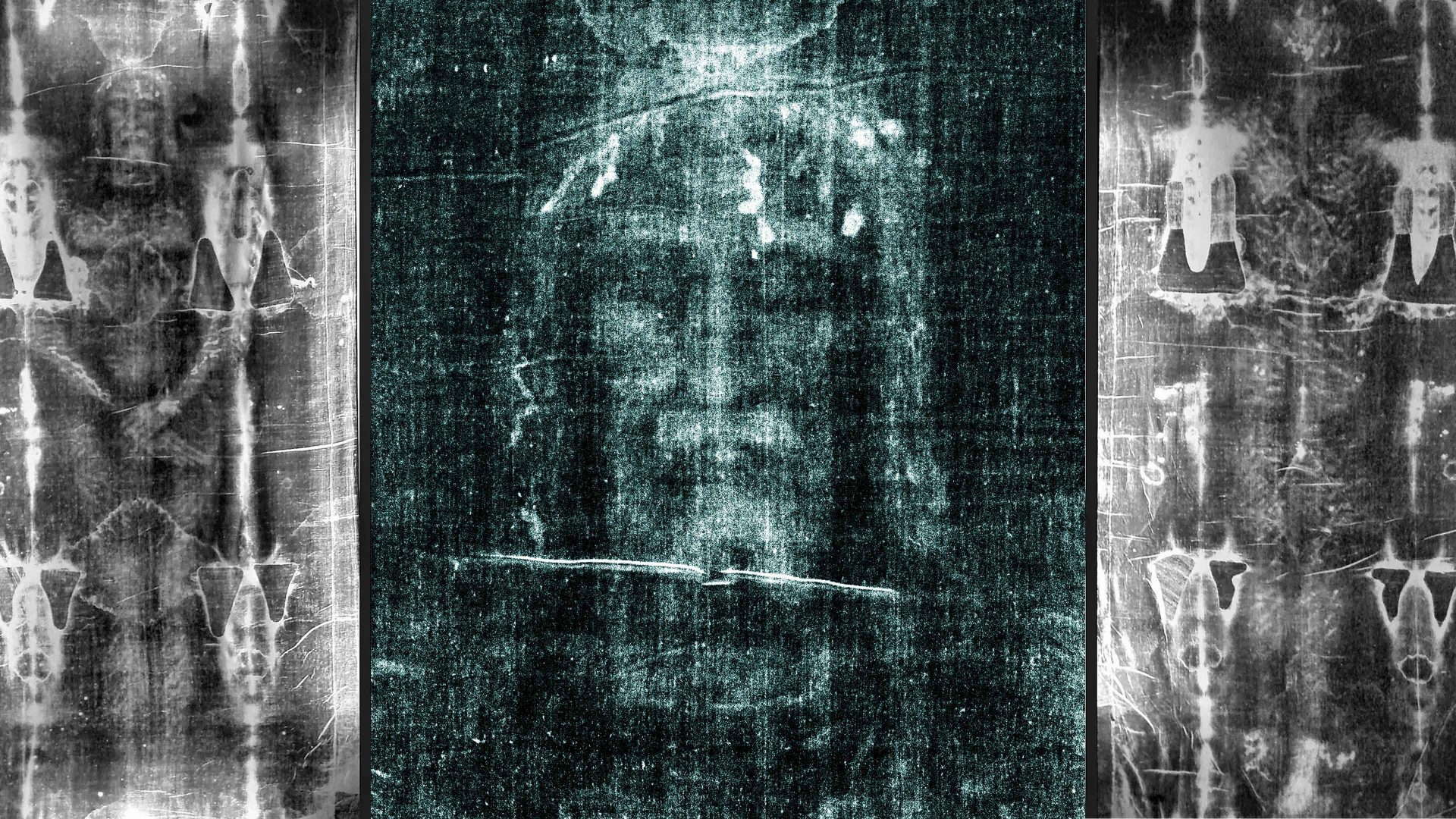
The Shroud of Turin, a linen cloth bearing the image of a man that many believe to be Jesus Christ, has long been a subject of intense debate. A new study casts further doubt on its authenticity, suggesting the image may originate from a low-relief sculpture, challenging the notion of it being a true burial cloth. This challenges long held beliefs about the Shroud’s origins and presents a fascinating case for alternative creation methods.
Table of Contents
The Sculpture Hypothesis
Brazilian 3D digital designer Cicero Moraes has proposed a compelling alternative origin for the Shroud’s image. His research, published in the journal Archaeometry, suggests that the image could be the result of imprinting from a low-relief sculpture, rather than direct contact with a human body. This hypothesis offers a potential explanation for some of the anomalies observed in the Shroud’s image.
3D Modeling Analysis
Moraes employed 3D modeling software to conduct a comparative analysis. He meticulously examined how fabric drapes over a human body versus how it drapes over a low-relief sculpture. The results of this analysis revealed a crucial discrepancy: the image on the Shroud of Turin exhibits characteristics more consistent with the imprint of a low-relief matrix.
Imprint of a Matrix
The concept of a “low-relief matrix” is central to Moraes’s hypothesis. This matrix, potentially crafted from materials such as wood, stone, or metal, would have served as a mold or template. According to Moraes, the matrix could have been pigmented or heated in specific areas of contact. When a cloth was pressed against this prepared matrix, it would have resulted in an image similar to what is observed on the Shroud of Turin.
Explaining Image Characteristics
This method provides a plausible explanation for several key features of the Shroud’s image. The flat, undistorted appearance of the image has always been a point of contention. If the Shroud had truly been draped over a three-dimensional human body, one would expect to see significant warping and distortion in the image. However, the image on the Shroud remains remarkably flat, a characteristic that aligns perfectly with the imprint of a low-relief matrix.
Challenging Authenticity
Moraes’s study directly challenges the widely held belief that the Shroud of Turin is the authentic burial cloth of Jesus Christ. If the image was indeed created using a low-relief sculpture, it would effectively debunk the claim that it is a true representation of Christ’s burial.
Medieval Origins
The historical timeline of the Shroud of Turin further supports the argument against its authenticity. The Shroud first surfaced in the 14th century, raising immediate questions about its earlier whereabouts. A 1989 carbon dating analysis, a pivotal moment in the Shroud’s history, placed its creation firmly between A.D. 1260 and 1390. This dating aligns with the period when the Shroud first appeared, suggesting it is a medieval artifact rather than a relic from the time of Christ.
Previous Research
Moraes’s findings are not the first to question the Shroud’s authenticity. Over the years, numerous studies have explored various aspects of the Shroud, from its material composition to the image formation process. These studies have collectively contributed to a growing body of evidence that suggests the Shroud is not what it is claimed to be.
Media Coverage and Public Perception
The recent publication of Moraes’s study has garnered significant attention from various media outlets. Organizations such as Live Science, Catholic News Agency (CNA), The Independent, ScienceAlert, and Yahoo News UK have all reported on the findings, highlighting the ongoing debate surrounding the Shroud of Turin.
Diverse Perspectives
The media coverage reflects the diverse perspectives on the Shroud’s authenticity. While some outlets present the findings as a definitive challenge to the Shroud’s authenticity, others emphasize the ongoing nature of the debate and the need for further research. The Catholic News Agency (CNA), for example, provides a more cautious perspective, acknowledging the study while reaffirming the Church’s position on the Shroud’s significance.
The Enduring Mystery of the Shroud
Despite the scientific and historical evidence that casts doubt on its authenticity, the Shroud of Turin continues to captivate the public imagination. Its enigmatic image and the enduring mystery surrounding its origins ensure that it will remain a subject of fascination and debate for years to come. The public’s perception of the Shroud is varied, with many still believing in its authenticity despite scientific evidence to the contrary.
Conclusion
The new study by Cicero Moraes adds a compelling layer to the ongoing debate surrounding the Shroud of Turin. By demonstrating the plausibility of a low-relief sculpture as the source of the image, Moraes challenges the traditional belief that the Shroud is the authentic burial cloth of Jesus Christ. Combined with historical evidence and previous research, this study reinforces the hypothesis that the Shroud is likely a medieval artifact, crafted through artistic techniques rather than bearing witness to a pivotal moment in religious history. The true origins of the Shroud of Turin remain a topic of intense discussion, but this new evidence provides valuable insights into its possible creation.
