
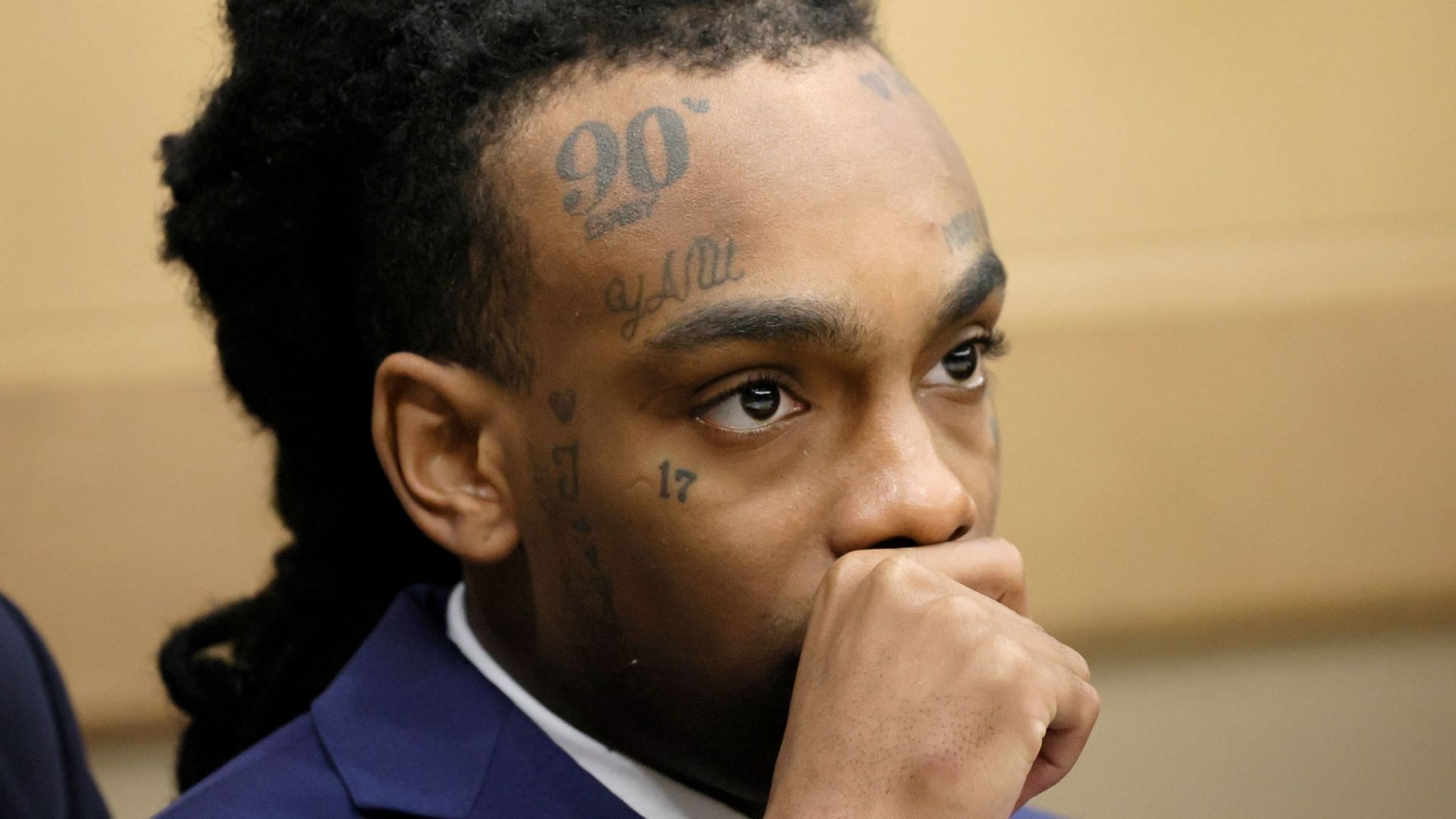
The concept of Justice Undone is brought sharply into focus by the ongoing case of rapper YNW Melly, whose real name is Jamell Demons. He has been incarcerated since February 2019 on charges of two counts of premeditated murder. As reported by Law&Crime and the Miami Herald, Melly’s initial trial ended in a mistrial due to a hung jury, leaving him in legal limbo for over six years. The extended pre-trial detention raises serious questions about due process and the right to a speedy trial, rights guaranteed to all citizens.
Table of Contents
Prolonged Incarceration Without Conviction
YNW Melly’s case is a stark example of how the wheels of justice can turn slowly, particularly in high-profile cases involving complex legal arguments and significant public interest. Despite facing capital murder charges, his defense team has consistently argued for his release on bond, citing what they describe as harsh jail conditions and offering stringent security measures. These proposed measures include GPS tracking and 24/7 security guards, intended to ensure community safety while awaiting trial.
However, Broward Circuit Court Judge Martin Fein has repeatedly denied these requests. Judge Fein stated that the state’s evidence is “arguably sufficient for conviction and not materially contradicted,” as documented in court records. This legal standard allows for pre-trial detention when the court believes there is a substantial likelihood of conviction based on the available evidence.
Legal Battles and Delays
The path to trial for YNW Melly has been fraught with delays, largely stemming from disputes over the admissibility of key evidence. One significant point of contention has been the evidence obtained from his cell phone and social media accounts. The defense has challenged the legality of how this evidence was obtained, leading to appeals and further prolonging the process. These appeals are a standard part of the legal system, allowing for a higher court to review decisions made by the trial court, but they inevitably add time to the overall proceedings.
These delays have had a direct impact on the timeline of the case. While a retrial was initially scheduled for September 2025, discussions have arisen regarding the possibility of further postponements. According to legal analysts following the case, the retrial could potentially be delayed until January 2027. If this occurs, YNW Melly would have spent nearly eight years in jail without a conviction, a situation that his defense team argues is a violation of his constitutional rights.
Defense Arguments and Concerns
Melly’s defense team has voiced strong concerns over the delays and the conditions of his confinement. They argue that the prolonged pre-trial detention constitutes a denial of his basic constitutional rights, including the right to a speedy trial. Furthermore, they have raised concerns about what they describe as inhumane treatment, including periods of time spent in solitary confinement. These conditions, they argue, exacerbate the already challenging circumstances of pre-trial detention.
The defense team emphasizes that every day spent in jail without a conviction is a day that Melly is presumed innocent but treated as if he has already been found guilty. They point to the inherent unfairness of this situation and the potential for long-term psychological harm resulting from prolonged isolation and uncertainty.
Prosecution’s Stance: Danger to the Community
The prosecution maintains that YNW Melly poses a significant danger to the community and that this justifies his continued detention. They have highlighted allegations of witness tampering, suggesting that Melly has attempted to influence or intimidate potential witnesses in the case. These allegations, if proven true, would be a serious breach of the legal process and could further strengthen the prosecution’s argument for continued detention.
The prosecution’s case rests on the evidence they have gathered, which they believe demonstrates Melly’s involvement in the alleged murders. They argue that the strength of this evidence, combined with the risk of witness tampering and the potential danger to the community, outweighs the defense’s arguments for bond and justifies keeping Melly in custody until the retrial.
Justice Delayed: The Broader Implications
The YNW Melly case raises broader questions about the American justice system and the balance between the rights of the accused and the safety of the community. The Sixth Amendment guarantees the right to a speedy trial, but the definition of “speedy” is often subject to interpretation and can vary depending on the complexity of the case and the availability of resources.
Cases like this highlight the challenges of managing complex legal proceedings while upholding the principles of due process. The delays, legal challenges, and the sheer volume of evidence can contribute to significant backlogs in the court system, potentially leading to prolonged pre-trial detentions. The YNW Melly case serves as a reminder of the human cost of these delays and the importance of ensuring that the justice system operates efficiently and fairly.
The case also underscores the importance of access to adequate legal representation. YNW Melly’s defense team has worked diligently to challenge the evidence against him and advocate for his rights, but not all defendants have access to such resources. This disparity can further exacerbate the challenges faced by those accused of crimes and contribute to unequal outcomes in the justice system.
Conclusion
The YNW Melly case, with its protracted legal battles and extended pre-trial detention, serves as a potent reminder of the complexities inherent in the pursuit of justice. The delays, the arguments over evidence, and the conflicting concerns about public safety all contribute to a situation where the scales of justice appear to be precariously balanced. Whether justice will ultimately be served, and whether the delays have irreparably harmed the process, remains to be seen. The case underscores the critical need for a fair, efficient, and timely legal system that protects the rights of all individuals, regardless of their background or the severity of the charges they face.
