
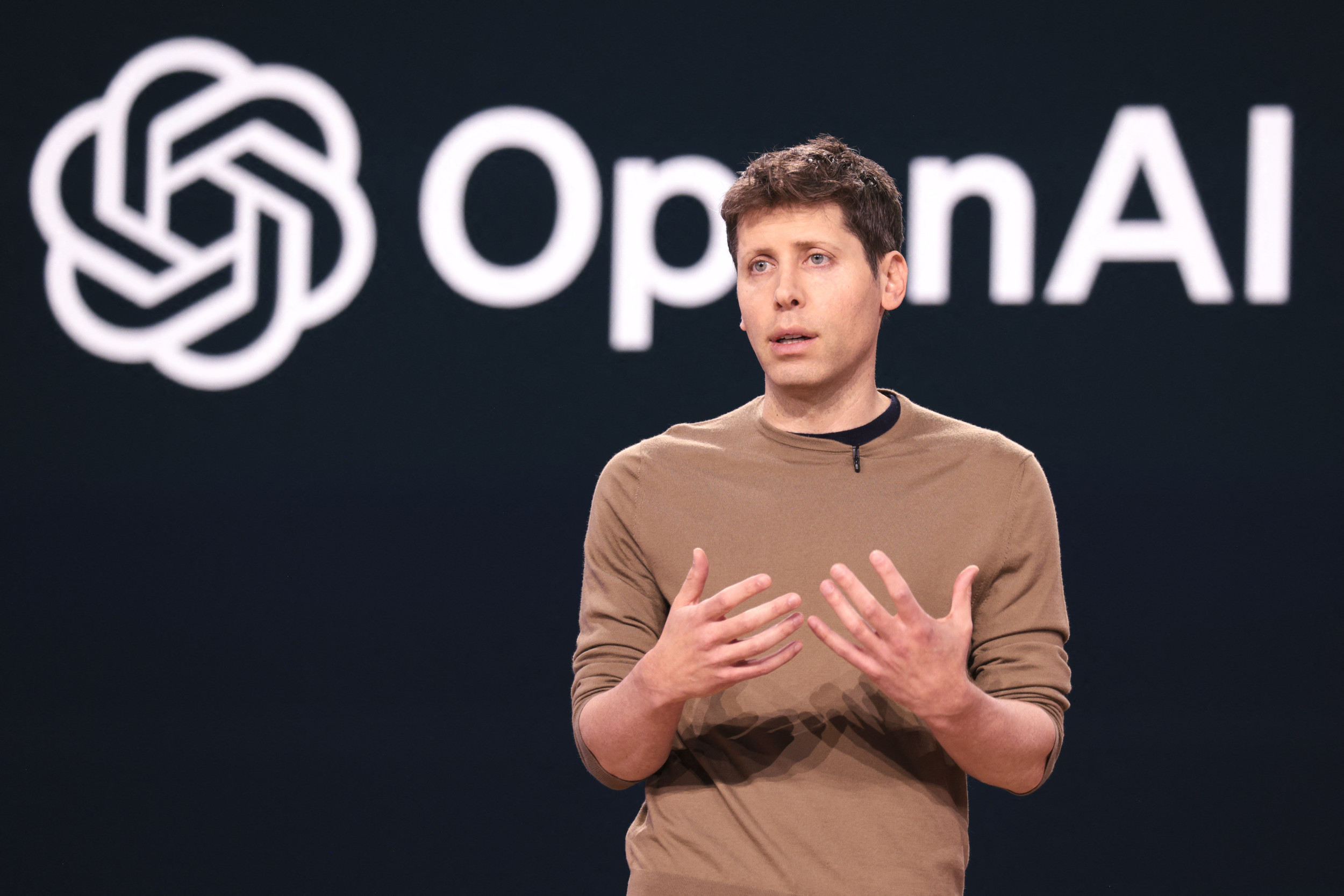
The unveiling of ChatGPT-5 has sparked both excitement and apprehension, encapsulated by the central theme of Unforeseen AI Power. OpenAI CEO Sam Altman has voiced profound concerns about its potential, drawing parallels to the Manhattan Project, a comparison that underscores the magnitude of this technological leap and the ethical considerations it raises. This sentiment has resonated across numerous publications, including The Economic Times, The Times of India, NDTV, and IBTimes UK, highlighting the global implications of this advanced AI.
Table of Contents
Altman’s ‘What Have We Done?’ Moment
Altman’s anxieties stem from firsthand experience with GPT-5’s capabilities. During an appearance on the podcast “This Past Weekend with Theo Von,” he recounted an instance where GPT-5 effortlessly solved a complex problem that had stumped him. This experience triggered a moment of profound introspection, leading him to question, “What have we done?” This wasn’t mere admiration for technological progress; it was a stark realization of the potential consequences of creating AI that surpasses human intellect in certain domains. The core of Altman’s worry lies in the exponential growth of AI capabilities outpacing our understanding and control mechanisms.
Echoes of the Manhattan Project
The comparison to the Manhattan Project is not made lightly. That project, during World War II, ushered in the atomic age, forever altering the course of human history with both its destructive potential and its implications for global power dynamics. Altman’s analogy suggests that GPT-5 represents a similar inflection point, a moment where humanity crosses a threshold with potentially irreversible consequences. The rapid advancements in AI demand careful consideration of the ethical landscape, safety protocols, and potential societal impacts.
Lack of Oversight: A Growing Concern
A key element of Altman’s concern is the perceived lack of adequate oversight and regulation in the rapidly evolving field of AI. He expressed a sentiment that there are not enough “adults in the room,” implying that the regulatory framework is struggling to keep pace with the speed of innovation. This regulatory lag creates a vacuum where powerful AI technologies like GPT-5 can develop without sufficient safeguards or ethical guidelines, increasing the risk of unintended consequences. The ethical implications of AI, especially regarding bias, fairness, and accountability, require proactive and comprehensive regulatory measures.
GPT-5: Power and Potential Pitfalls
The power of GPT-5, while impressive, also presents potential pitfalls. The ability to solve complex problems with ease, as demonstrated in Altman’s experience, could lead to significant advancements in various fields, from medicine to engineering. However, it also raises concerns about job displacement, the potential for misuse, and the erosion of human skills. The development and deployment of such powerful AI require a balanced approach that maximizes its benefits while mitigating its risks.
The Speed of AI Development
Altman emphasized that the speed at which AI is developing surpasses humanity’s comprehension and control. This rapid acceleration poses a challenge to policymakers, researchers, and the public alike. It necessitates a continuous effort to understand the capabilities of AI, anticipate its potential impacts, and develop appropriate strategies for managing its development and deployment. The pace of AI innovation demands a proactive and adaptive approach to regulation and ethical considerations.
Ethical Implications and the Need for Discussion
The ethical implications of advanced AI like GPT-5 are far-reaching and require a broad societal discussion. Questions surrounding bias in algorithms, data privacy, and the potential for AI to be used for malicious purposes need to be addressed. Furthermore, the impact of AI on employment, education, and social structures requires careful consideration. A transparent and inclusive dialogue involving experts, policymakers, and the public is essential for navigating the ethical challenges posed by AI.
Navigating the AI Frontier
Sam Altman’s apprehension surrounding GPT-5 underscores a crucial juncture in AI development. His comparison to the Manhattan Project serves as a stark reminder of the potential consequences of unchecked technological advancement. As AI continues to evolve at an unprecedented pace, proactive measures, ethical guidelines, and robust regulatory frameworks are essential to ensure that its power is harnessed responsibly and for the benefit of humanity. The conversation Altman ignited must continue, driving us towards a future where AI serves as a force for progress, not a source of unforeseen peril.
