
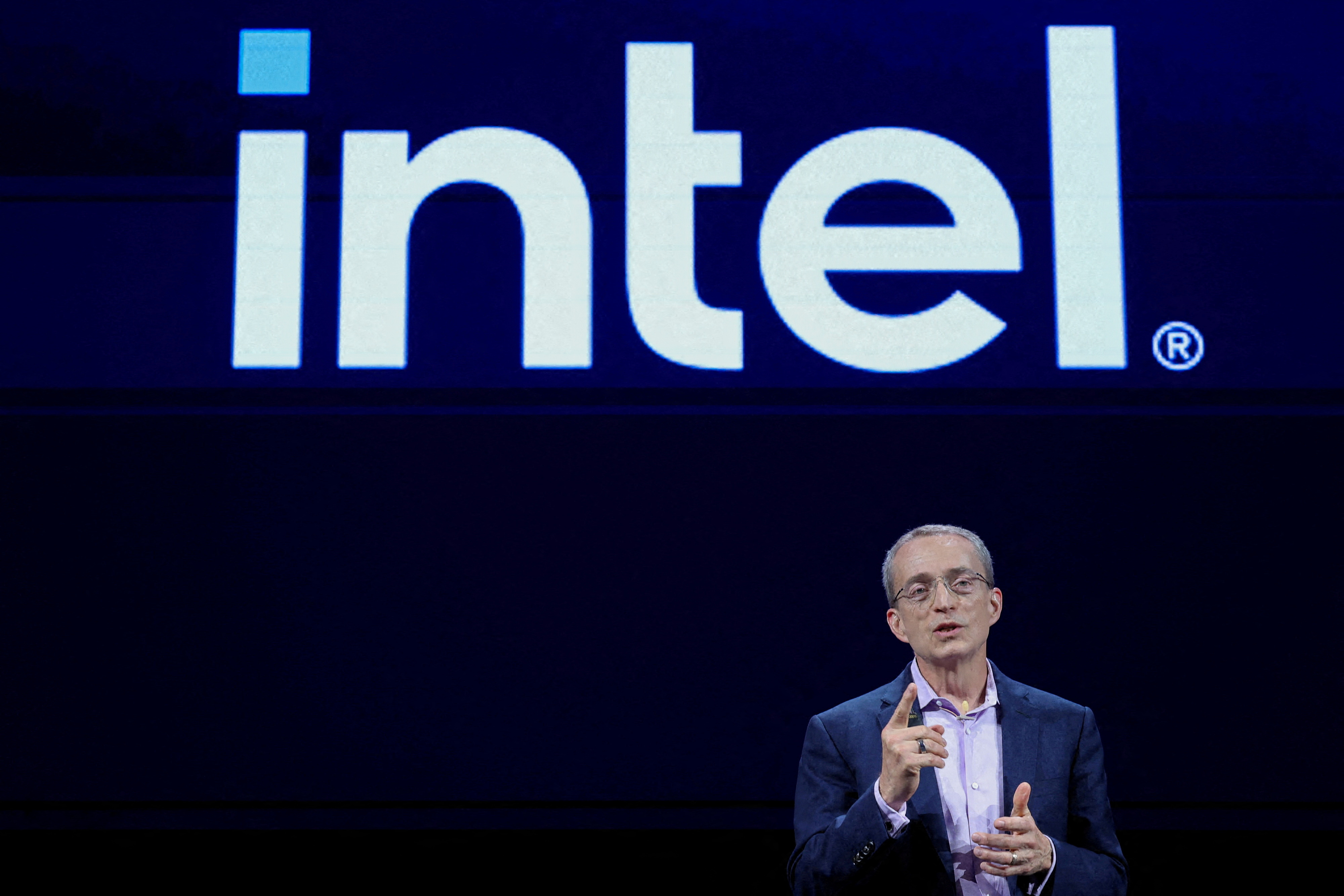
Intel’s Leadership Under Fire is the central issue as newly appointed CEO Lip-Bu Tan faces mounting pressure from former US President Donald Trump, coupled with internal board disagreements. The controversy stems from concerns over Tan’s alleged connections to Chinese firms, some of which are suspected of ties to the Chinese military, creating a complex challenge for the semiconductor giant. This situation unfolds as Intel embarks on a significant strategic overhaul, aiming to reduce costs and refocus its operations, while also being a major beneficiary of the 2022 CHIPS and Science Act.
Table of Contents
The Allegations and Resulting Turmoil
The pressure on Lip-Bu Tan intensified after Donald Trump publicly demanded his immediate resignation, branding him as “highly conflicted.” This demand followed a letter from Republican Senator Tom Cotton to Intel’s board chairman, Frank Yeary, expressing national security concerns. Senator Cotton’s letter highlighted Tan’s connections to numerous Chinese companies and referenced a criminal case involving his former firm, Cadence Design Systems.
Cadence Design Systems had previously pleaded guilty to federal charges related to the sale of technology and intellectual property to China’s National University of Defense Technology. These allegations have cast a shadow over Intel, a company heavily reliant on government funding and critical to US technological competitiveness.
The immediate impact of these allegations was a noticeable decline in Intel’s stock value. Shares reportedly dropped by approximately 3-4% in premarket trading following Trump’s public statements, reflecting investor unease and uncertainty surrounding the situation.
Intel’s Response and Strategic Reset
Both Intel and Lip-Bu Tan have vehemently defended their commitment to advancing US national and economic security interests. They have affirmed their support for the government’s efforts to safeguard domestic technology and have emphasized their dedication to complying with all relevant regulations and laws. Intel, under Tan’s leadership, is currently undergoing a major strategic reset, which includes significant cost reduction measures.
This strategic shift involves workforce reductions and a temporary halt to construction on certain manufacturing plants. These measures are designed to streamline operations and improve efficiency as Intel navigates a rapidly changing global semiconductor landscape. The company is also a major beneficiary of the 2022 CHIPS and Science Act, receiving nearly $20 billion in federal awards aimed at boosting domestic semiconductor manufacturing.
The CHIPS Act and National Security Implications
The CHIPS and Science Act is a cornerstone of the US government’s strategy to bolster its domestic semiconductor industry and reduce reliance on foreign suppliers. Intel’s substantial funding allocation under this act underscores its importance to US national security and economic competitiveness. The controversy surrounding Lip-Bu Tan, therefore, raises critical questions about the vetting processes and oversight mechanisms in place to ensure that companies receiving government funds align with national security interests. The allegations reported by outlets like The Star, Azat TV, Los Angeles Times, Times of India, Al Jazeera, and YouTube, amplify the scrutiny on Intel’s leadership and its relationship with Chinese entities.
Board Disagreement and Internal Challenges
Beyond the external pressure from political figures, Intel’s CEO also faces internal disagreements within the company’s board. While the specifics of these disagreements remain largely undisclosed, they add another layer of complexity to the challenges facing Lip-Bu Tan. Navigating these internal tensions while simultaneously addressing external scrutiny and implementing a major strategic overhaul requires strong leadership and a clear vision for the future of Intel.
The board’s role in overseeing the company’s operations and ensuring its adherence to ethical and legal standards is paramount. The concerns raised by Senator Cotton and the subsequent scrutiny from the public and media outlets have undoubtedly placed increased pressure on the board to address the allegations surrounding Tan’s connections to Chinese firms.
Lip-Bu Tan’s Background and Connections
A key aspect of the controversy revolves around Lip-Bu Tan’s extensive involvement with Chinese companies. As the former head of Walden International, a venture capital firm with significant investments in China, Tan has cultivated a vast network of relationships within the Chinese technology sector. While these connections may have been viewed as an asset in the past, they are now being scrutinized in light of growing concerns about Chinese influence and national security risks.
The specific allegations center on Tan’s alleged ties and investments in hundreds of Chinese firms, some of which are reportedly linked to the Chinese military. These allegations, if substantiated, could raise serious concerns about potential conflicts of interest and the potential for sensitive technology or information to be compromised.
The Future of Intel and US Semiconductor Leadership
The controversy surrounding Intel’s CEO comes at a critical juncture for the company and the US semiconductor industry as a whole. Intel is striving to regain its position as a global leader in semiconductor manufacturing, and its success is vital to the US government’s efforts to strengthen its domestic technology base and counter China’s growing influence in the technology sector. The resolution of this controversy will have significant implications for Intel’s future and the broader landscape of US-China relations.
The situation underscores the increasing complexity of operating in a globalized world, where companies must navigate a delicate balance between pursuing business opportunities and safeguarding national security interests. As Intel moves forward, it will need to carefully manage its relationships with Chinese entities and ensure that its operations are fully aligned with US national security priorities.
In conclusion, the challenges facing Intel and its CEO are multifaceted, encompassing political pressure, internal disagreements, and national security concerns. The company’s response to these challenges will be crucial in determining its future success and its role in shaping the global semiconductor industry. Successfully navigating this complex landscape requires strong leadership, transparency, and a unwavering commitment to US national security interests.
