
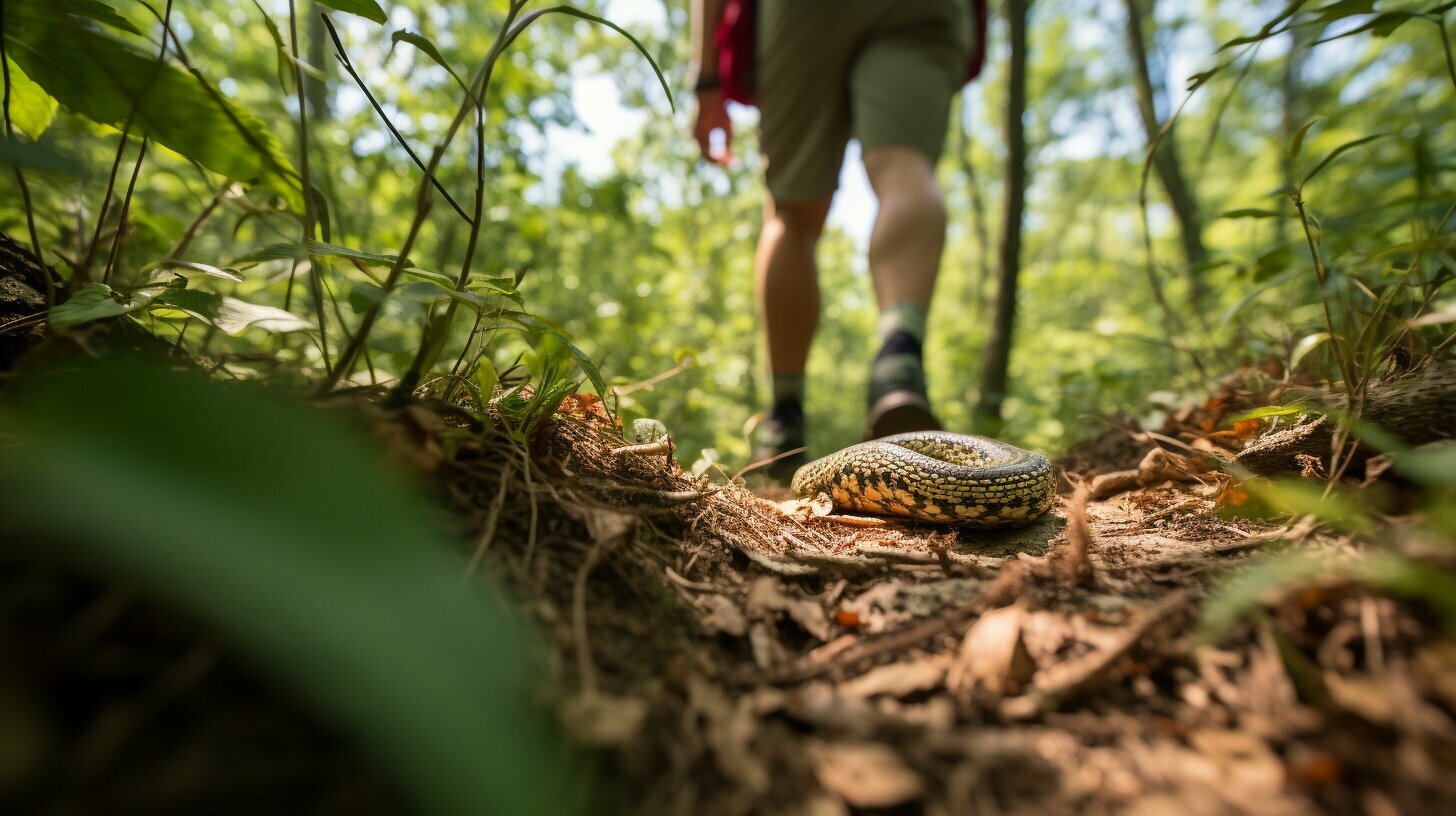
A fatal encounter in Tennessee’s Savage Gulf State Park underscores the importance of respecting wildlife. The tragic death of a hiker, stemming from a deadly snake bite, serves as a stark reminder of the potential dangers present in natural environments. The incident, widely reported by outlets like Fox News, highlights how a single, ill-advised action can lead to devastating consequences. This article will explore the circumstances surrounding this unfortunate event and offer guidance on how to minimize risks during outdoor excursions.
Table of Contents
Tragic Incident Details
The incident occurred in Grundy County, within the expansive Savage Gulf State Park. According to reports, the hiker made the fatal mistake of picking up a venomous rattlesnake. This direct interaction resulted in a bite to the hand, triggering a rapid and severe medical crisis. While immediate medical attention was sought, the hiker was transported to a nearby hospital but ultimately succumbed to the effects of the venom, likely due to an allergic reaction.
The Fatal Mistake: Handling Wildlife
The core issue leading to this tragedy was the hiker’s decision to handle a wild, venomous animal. Rattlesnakes, native to Tennessee, possess potent venom used for subduing prey and defense. Matt Griffith of the Grundy County Emergency Management Agency emphasized the importance of maintaining a safe distance from all wildlife. Approaching or attempting to handle such animals significantly increases the risk of a defensive strike, as was the case in this incident.
Understanding Rattlesnake Venom
Rattlesnake venom is a complex mixture of toxins that can cause a range of effects, including tissue damage, blood clotting abnormalities, and neurological problems. In some individuals, exposure to venom can trigger a severe allergic reaction known as anaphylaxis, which can be fatal if not treated promptly. While antivenom is available, its effectiveness depends on various factors, including the amount of venom injected, the time elapsed since the bite, and the individual’s overall health. The hiker’s death suggests a potentially severe reaction to the venom, highlighting the unpredictable nature of snakebites.
Prevention and Preparedness in the Wilderness
Essential First-Aid Supplies
Being prepared for potential emergencies is crucial when venturing into the wilderness. Matt Griffith strongly advises hikers to carry a comprehensive first-aid kit. While specific snakebite kits are available, a general kit should include items such as bandages, antiseptic wipes, pain relievers, and an antihistamine for allergic reactions. Knowing how to use these items effectively can make a significant difference in an emergency situation.
Wildlife Awareness: A Key to Safety
Beyond first-aid preparedness, maintaining a high level of awareness is paramount. Hikers should be vigilant about their surroundings, paying attention to potential hazards such as snakes, insects, and uneven terrain. Staying on marked trails reduces the likelihood of encountering wildlife and minimizes the risk of accidental injury. It’s also advisable to hike with a companion, as having someone else present can be invaluable in case of an emergency.
What to Do in Case of a Snakebite
Despite precautions, snakebites can still occur. If bitten, it’s essential to remain calm and seek medical attention immediately. According to the Grundy County Emergency Management Agency, the following steps should be taken: move away from the snake, keep the bitten area still and below the heart, and call for emergency assistance. Do not attempt to capture the snake, apply a tourniquet, or try to suck out the venom, as these actions can worsen the situation.
Official Recommendations and Safety Guidelines
Authorities consistently emphasize the importance of adhering to safety guidelines when engaging in outdoor activities. Respecting wildlife, carrying appropriate supplies, and being aware of potential hazards are all crucial components of responsible hiking. The tragic death in Savage Gulf State Park serves as a somber reminder of the potential consequences of neglecting these precautions. By prioritizing safety and preparedness, hikers can significantly reduce their risk of encountering similar incidents.
Learning from Tragedy
The death of the hiker in Savage Gulf State Park is a devastating event that underscores the inherent risks associated with interacting with wildlife. While enjoying the beauty and tranquility of nature, it’s essential to remain vigilant and prioritize safety. By learning from this tragedy and adhering to recommended guidelines, hikers can minimize their risk of encountering similar incidents and ensure a safer, more enjoyable outdoor experience. The incident serves as a potent reminder: observe wildlife from a distance, carry necessary first-aid, and respect the power of nature.
